Delve Into the Domain of Fair Trade Tea: Remarkable Brews That Enable Sustainable Practices
Fair Trade tea showcases a harmonious balance of quality and integrity. Each cup furnishes a unique flavor profile while backing matching information sustainable farming practices. This methodology not only elevates the tea experience but also supports marginalized farmers. Understanding its origins and validation frameworks discloses richer dimensions of meaning. As consumers become more intentional about their choices, the impact of Fair Trade tea spreads past flavor. What exists below the surface of these determinations?
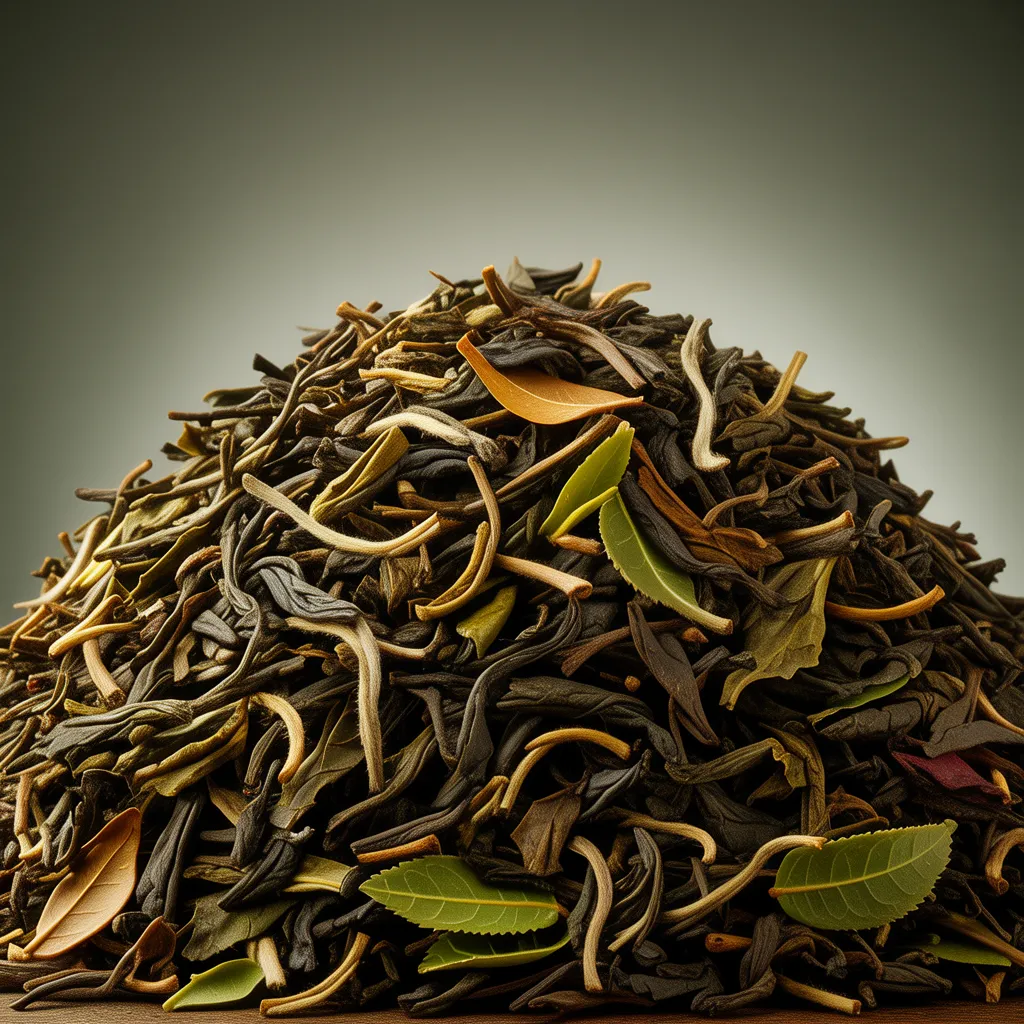
Discover the Roots of Fair Trade Tea
Fair Trade tea has its origins to the socioeconomic initiatives aimed at improve the livelihoods of marginalized farmers. Beginning in the late 20th century, this initiative attempted to tackle disparities in international commerce, particularly in emerging markets where tea is often cultivated. The movement gained momentum as shoppers became progressively conscious of the difficult conditions experienced by independent growers, such as unfair pricing and exploitation by large corporations.
By utilizing cooperative structures, Fair Trade sought to empower these farmers, ensuring they obtained fair payment and assistance for sustainable farming practices. The movement also focused on promoting environmental responsibility, promoting organic farming and biodiversity. As knowledge grew, Fair Trade tea became a representation of responsible purchasing, linking consumers directly with the origins of their beverages. By selecting Fair Trade tea, individuals contribute to a larger goal of social justice and economic equity, fostering a more sustainable future for tea-growing communities.
Learn about ethical trade standards for sustainable practices
Grasping Fair Trade certification is fundamental to recognizing how sustainable practices are sustained within the tea industry. This certification promises that producers receive fair wages and work under safe conditions, which directly helps community development. Fair Trade standards support environmentally sustainable farming methods, reducing the use of harmful chemicals and encouraging biodiversity.
Certification further promotes transparency in the distribution network, enabling customers to trace their tea back to its source. By adhering to these guidelines, farms engage in practices that protect natural resources and sustain local environments. Additionally, Fair Trade organizations often provide educational resources and instruction to farmers, empowering them to improve their farming techniques and financial security.
Ultimately, Fair Trade certification not only enhances tea's quality but also aligns consumer decisions to ethical and responsible values, making it a key aspect of the tea sector's commitment to social accountability and ecological stewardship.
Investigate Premium Types of Fair Trade Tea
While many tea aficionados savor the rich flavors and aromas of various brews, examining the top varieties of Fair Trade tea shows a more profound pledge to fair practices and ecological responsibility. Some popular options include Fair Trade Assam, noted for its bold, malty taste, and Fair Trade Darjeeling, often dubbed the "Champagne of teas" for its refined botanical undertones. Another important variety is Fair Trade Earl Grey, combined with bergamot, presenting a unique citrus twist.
In addition, Fair Trade Green Tea, celebrated for its stimulating qualities and health benefits, is increasingly preferred among health-conscious consumers. Herbal blends, such as Fair Trade Chamomile and Peppermint, also stand out, offering soothing and calming effects. Each of these varieties not only provides exceptional flavor but also supports farmers and communities working for better livelihoods, making them a responsible choice for tea lovers seeking quality and ethical assurance.
Brewing Fair Trade Tea: Advice for an Excellent Cup
To brew the best cup of Fair Trade tea, care is vital, since the best practices can enhance the tea's unique tastes and aromas. Initially, water quality is paramount; using purified water ensures a fresh flavor that lets the tea's features come through. The water temperature is equally vital; different varieties of tea call for particular heat levels; black tea requires boiling water and green and herbal teas need cooler temperatures.
Subsequently, the brewing duration must be carefully followed. Oversteeping can result in a bitter taste, while insufficient steeping may not extract the complete flavor spectrum. A standard recommendation is 3-5 minutes for black tea and 2-3 minutes for green tea.
In conclusion, achieving the ideal tea-water proportion optimizes the taste profile; one teaspoon of loose tea per cup is a good reference point. By following these pieces of advice, tea enthusiasts can fully appreciate the rich offerings of Fair Trade tea.
Environmental Advantages of Ethically Sourced Tea
Brewing Fair Trade tea not only enhances the tea encounter but also supports sustainable agricultural practices that advantage the ecosystem. Fair Trade accreditation encourages farmers to use natural cultivation techniques, which reduce the dependence on harmful pesticides and fertilizers. This method fosters biodiversity, helping to preserve local habitats and safeguard wildlife habitats.
Additionally, Fair Trade methods often emphasize soil health and water preservation, ensuring that tea cultivation does not drain essential resources. By assisting small-scale farmers, Fair Trade also cultivates agroforestry, which unites tea cultivation with other crops and trees, further bolstering environmental resilience.
In addition, Fair Trade tea frequently incorporates eco-conscious wrapping and transportation methods, lowering the greenhouse gas emissions associated with its distribution. All in all, choosing Fair Trade tea shows a conscious effort to advance a more sustainable agricultural system that respects both the planet and its inhabitants.

How Your Choice of Tea Strengthens Global Communities
Investing in Fair Trade tea strengthens global communities by providing farmers with equitable compensation and enhanced labor situations. This commitment warrants that tea producers can preserve their economic stability while supporting their dependents and community markets. By acquiring Fair Trade tea, shoppers advance the development of significant local services, like education and healthcare.
Fair Trade certification promotes responsible conduct, requiring companies to adhere to standards that prioritize workers' rights and ecological responsibility. As a result, farmers are incentivized to cultivate high-quality tea, which not only enhances their income but also creates satisfaction in their craft.
Additionally, the direct trade partnerships formed through Fair Trade eliminate predatory middlemen, allowing farmers to engage with buyers worldwide. This clarity nurtures trust and inspires a global appreciation for the cultural relevance of tea. Ultimately, each cup of Fair Trade tea functions as a testament of the constructive influence individuals can have on global communities through mindful consumption.
Frequently Posed Questions
Where Can I Discover Fair Trade Tea Products and How Do I Verify Them in Retail Locations?
To find responsibly sourced tea brands in stores, one should check for official certifications, such as Fair Trade Certified or Rainforest Alliance. Additionally, studying brands dedicated to sustainable practices can assist in choosing wisely.
Do Fair Trade Tea Items Offer Any Nutritional Advantages?
Fair trade tea may offer multiple wellness advantages, with heart-enhancing antioxidants, superior digestion, and heightened mental acuity. Besides, ethical sourcing strategies strengthen sustainable farming methods, ultimately supporting a revitalized environment and community welfare.
Can I Source Fair Trade Tea in Digital Shopping Platforms?
Yes, ethically traded tea is easy to find in digital platforms. Multiple vendors offer a variety of product options, making certain buyers can quickly locate ethically sourced options that advance both eco-friendly practices and fair labor practices.
What Role Does Fair Trade Tea Have in Local Economic Development?
Fair trade tea beneficially affects local economies by offering farmers equitable compensation, fostering community development, and encouraging sustainable farming practices. This assistance enhances livelihoods, promotes economic stability, and empowers communities to invest in education and healthcare.
What Ways Should I Employ to Preserve Fair Trade Tea for Maximum Freshness?
To boost quality, fair trade tea should be kept in an airtight container, shielded from pungent smells, humidity, and light. Keeping it in a cool, dark place helps maintain its aroma and flavor over time.